Mindfulness for Montessori Adults and Children builds resilience for Montessori educators, classrooms, and communities.
This training provides Montessori educators, coaches, and leaders with mindfulness and self-compassion tools to cultivate resilience, stay in the profession, and show up more wholeheartedly in Montessori spaces. Backed by research, these strategies will strengthen our reserves, alleviate stress, and prevent burnout. At the same time, these practices will help young people build emotional intelligence, concentration, and well-being.
Participants in this course will:
- Develop mindfulness and self-compassion techniques to build resilience as Montessori educators and leaders
- Learn to integrate mindfulness and self-compassion tools throughout the Montessori prepared environment, across developmental stages
- Cultivate emotional intelligence, in support of adult and child well-being
- Draw from brain research regarding mindfulness and self-compassion practices
- Gather practical strategies to support emotional and behavioral regulation in Montessori settings, towards a more sustainable learning and work environment
- Engage in self-reflection to determine a personal action plan for healthy stress-reduction
- Integrate Montessori theory and practice towards greater self-acceptance and growth
Format
- Four asynchronous sessions, approximately 20-25 minutes each
- Enroll at any time and follow at your own pace
- Approximately 20 minutes of recommended, optional practice and resources in between sessions
- Access to the instructor for questions and guidance
Calendar
| Module | Topic | Module Summary |
| 1 | Introduction to Mindfulness and Self-Compassion | A brain-based overview of mindfulness and self-compassion, their overlap and differences, and why we need both |
| 2 | Start with Ourselves | An opportunity for Montessori adults to deepen their own practices in mindfulness and self-compassion to support resilience and well-being |
| 3 | The Self-Compassionate Classroom | A focus on practical applications of mindfulness and self-compassion techniques, and specific techniques for environments with younger children |
| 4 | Now What? | A continuation of techniques for environments for older students, an integration of the previous sessions, and an opportunity for participants to determine next steps as practitioners |
Paying by check: We accept payment via most credit cards. To request to pay by check, use this form. You will not be registered until your check has been received. We confirm payment and registration via email. Questions about payment? Contact payments@public-montessori.org.
Can’t make this course? Bring this course to you! Please email pd@public-montessori.org for information about hosting this course as a face-to-face or virtual workshop at your school.
About the Instructor
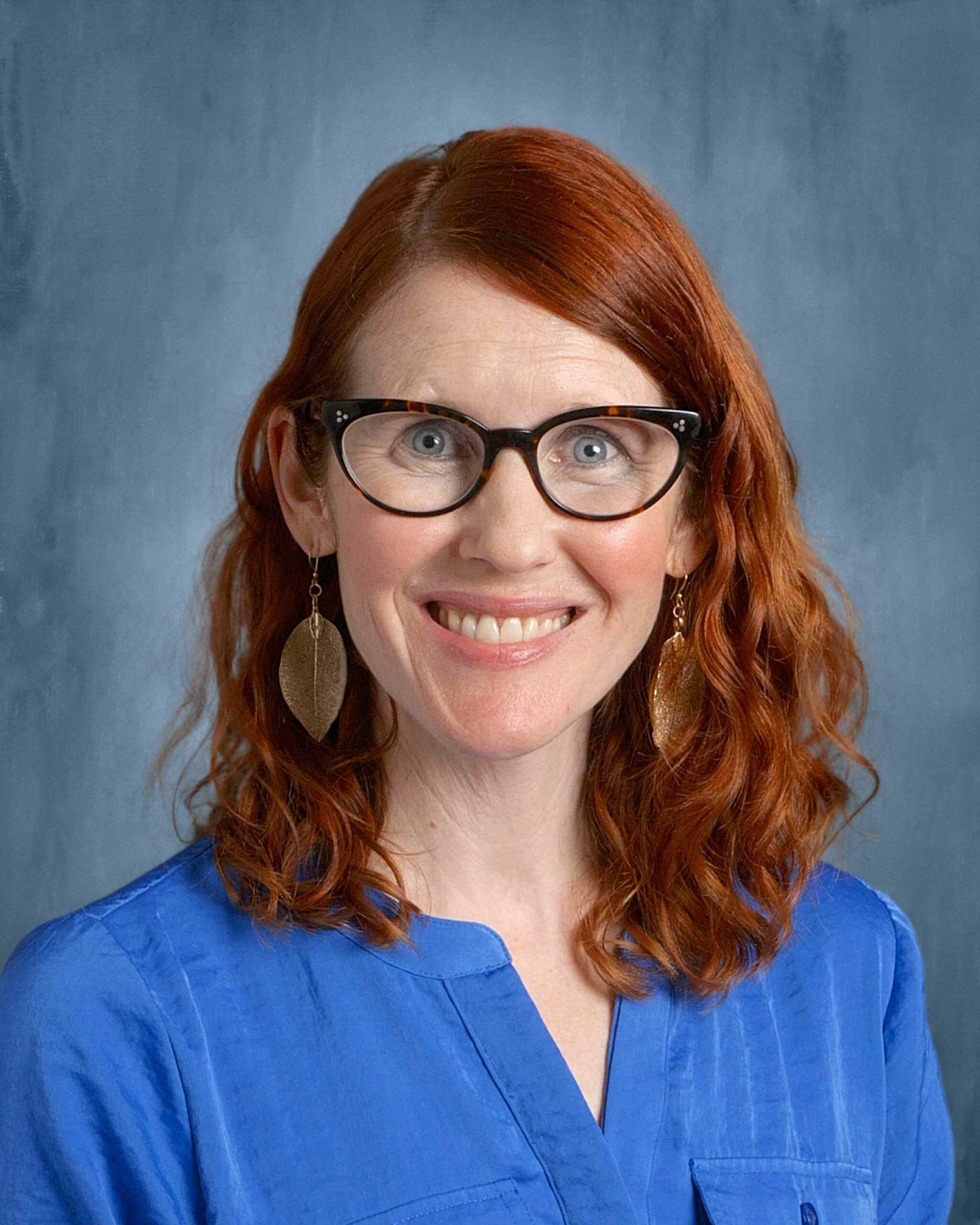
Caroline Robbins (she/her) is a public Montessori school administrator in Milwaukee Public Schools and a doctoral student in Montessori Studies at the University of Wisconsin-River Falls.
Currently, Caroline is researching public Montessori educators’ experiences with professional growth and teacher evaluation. She holds MA degrees in Curriculum and Instruction: Linguistically Diverse Education and in Educational Psychology from the University of Colorado-Denver, as well as an AMI Primary diploma. She has worked as an assistant principal, bilingual Primary guide, admissions director, and in various other roles with young people aged 2.5-14, in both public and private settings, and in both English and Spanish.
Caroline’s journey as a mindfulness practitioner spans over 20 years, intersecting with over 20 years in education and over 15 years in Montessori. A graduate of both the Mindfulness and Self-Compassion teacher training program and the Whole School Leadership Institute, she strives to bring an integrated approach to her work with young people and adults. She lives in Milwaukee, WI with her spouse and Adolescent and Elementary-aged children.
Course Content
Related Courses