




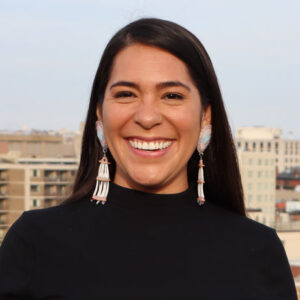
 Cheyenne is a Seminole and Chilean woman, advocate for Indigenous people and a former Miss Indian World. She has utilized her platform as an ambassador to advocate for environmental protections of the Florida Everglades, overturn adverse stereotypes and stigmatizations of mental health in tribal communities, encourage healing through identity and self love, and combat the negative, stereotypical narrative of Native and Indigenous people through education.
Cheyenne also provides motivational speaking presentations, empowerment workshops, pageantry coaching, cultural and historical consulting, hosts and emcees, and presents on topics such as culture as prevention, identity, human trafficking, domestic violence, and much more. She strives for authenticity and to live a healthy life physically, mentally and spiritually through her culture and teachings.
Cheyenne is a Seminole and Chilean woman, advocate for Indigenous people and a former Miss Indian World. She has utilized her platform as an ambassador to advocate for environmental protections of the Florida Everglades, overturn adverse stereotypes and stigmatizations of mental health in tribal communities, encourage healing through identity and self love, and combat the negative, stereotypical narrative of Native and Indigenous people through education.
Cheyenne also provides motivational speaking presentations, empowerment workshops, pageantry coaching, cultural and historical consulting, hosts and emcees, and presents on topics such as culture as prevention, identity, human trafficking, domestic violence, and much more. She strives for authenticity and to live a healthy life physically, mentally and spiritually through her culture and teachings. 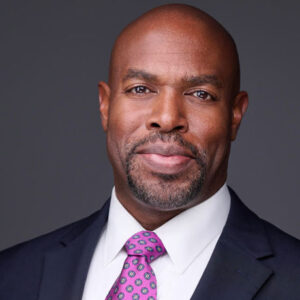 Facing History and Ourselves is a non-profit organization founded in 1976 to “use lessons of history to challenge teachers and their students to stand up to bigotry and hate.”
Today, Facing History and Ourselves is a global organization with a network of hundreds of thousands of educators reaching millions of students worldwide, providing extensive curriculum, professional development, and resources.
CEO Desmond Blackburn began his public education career as a high school math teacher in Florida and rose through the state’s school system, including serving as principal at a public Montessori school, to become Superintendent of Brevard Public Schools.
Blackburn has served as CEO of the New Teacher Center, a national nonprofit that works to disrupt the predictability of educational inequities for systemically underserved students. He was previously Deputy Chancellor of School Leadership for the New York City Department of Education, the largest school system in the nation, before joining Facing History and Ourselves this year.
Facing History and Ourselves is a non-profit organization founded in 1976 to “use lessons of history to challenge teachers and their students to stand up to bigotry and hate.”
Today, Facing History and Ourselves is a global organization with a network of hundreds of thousands of educators reaching millions of students worldwide, providing extensive curriculum, professional development, and resources.
CEO Desmond Blackburn began his public education career as a high school math teacher in Florida and rose through the state’s school system, including serving as principal at a public Montessori school, to become Superintendent of Brevard Public Schools.
Blackburn has served as CEO of the New Teacher Center, a national nonprofit that works to disrupt the predictability of educational inequities for systemically underserved students. He was previously Deputy Chancellor of School Leadership for the New York City Department of Education, the largest school system in the nation, before joining Facing History and Ourselves this year. 